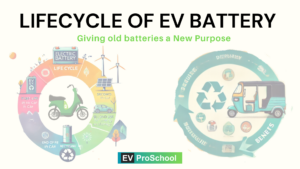
This blog post will focus on factors influencing the lifespan of electric three-wheeler (3W) batteries in the Indian context. It will examine real-world usage patterns, battery degradation, charging behaviors, and environmental factors unique to India, such as intense urban usage, heavy loads, and extreme weather. Unlike two-wheelers, this post will emphasize the challenges faced by commercial e-rickshaws and cargo 3Ws, which often operate under demanding conditions.

1. Objectives
Purpose:
- To provide an in-depth understanding of how long electric three-wheeler batteries last in India.
- Highlight the key factors like heavy daily usage, overloading, and varied charging practices.
- Offer practical tips for maximizing battery lifespan.
2. Target Audience
- E-rickshaw and cargo 3W drivers/operators who rely on these vehicles for their livelihood.
- Fleet operators looking to optimize battery usage for cost-efficiency.
- Policymakers and EV enthusiasts exploring the challenges of e-rickshaw adoption in India.
3. Blog Outline
Title Options:
- Main Title: How Long Does Electric Three-Wheeler Battery Last?
- SEO-Friendly Title: Understanding the Battery Lifespan of Electric Rickshaws and Cargo 3Ws in India
Introduction: Powering the Lifeline of India’s Streets
- Hook:
“From bustling city streets to rural lanes, e-rickshaws and cargo three-wheelers are the backbone of India’s sustainable transport revolution. But how long do their batteries really last?” - Introduce the importance of battery life for 3Ws, especially in India where they are heavily used for daily income.
- Preview the blog: “In this post, we’ll explore how long electric three-wheeler batteries last, the factors that affect their lifespan, and how drivers can get the most out of their batteries.”
Section 1: The Typical Lifespan of Electric 3W Batteries
1. Standard Lifespan Estimates
- Lithium-ion Batteries: 4–6 years or 1,000–1,500 charge cycles.
- Lead-Acid Batteries: 1.5–2 years or 300–500 charge cycles.
- Stat: Most Indian e-rickshaws use lead-acid batteries, though lithium-ion is gaining traction for better durability.
2. Real-World Scenarios in India
- E-Rickshaw Drivers: Use their vehicles for 8–10 hours a day, draining and recharging batteries daily.
- Cargo 3Ws: Often overloaded, leading to faster battery wear.
Section 2: Key Factors Impacting Battery Life in Indian Three-Wheelers
1. Heavy Daily Usage
- Typical Usage: Indian 3Ws often cover 100–120 km/day in urban areas, leading to frequent charging cycles.
- Impact: Faster cycle consumption reduces overall battery lifespan.
2. Overloading
- Common Practice: E-rickshaws often carry 4–6 passengers or cargo beyond their design limit.
- Effect on Battery: Increases energy draw, overheating, and faster degradation.
3. Poor Road Conditions
- Challenge: Uneven roads and potholes cause vibrations, which can damage battery connections over time.
4. Environmental Factors
- Heat: High temperatures in Indian summers (40°C+) accelerate battery degradation.
- Monsoon Season: Water ingress and humidity can damage battery casings and internal components.
5. Charging Habits
- Fast Charging Risks: Many drivers use unregulated fast chargers to save time, leading to overheating.
- Incomplete Charging: Drivers often disconnect chargers early to get back on the road, reducing battery health.
Section 3: Recognizing Signs of Battery Degradation
1. Reduced Range
- Example: A battery that initially provided 120 km now lasts only 80 km per charge.
2. Overheating During Charging or Use
- Frequent overheating indicates internal cell damage or inefficiency.
3. Visible Physical Damage
- Swelling or leaking in lead-acid batteries is a sign of wear.
Section 4: Tips to Maximize Battery Lifespan for Indian 3W Drivers
1. Avoid Overloading
- Stick to the manufacturer-recommended passenger or cargo limits.
2. Use Standardized Charging Stations
- Avoid cheap, unregulated chargers that may overcharge or overheat the battery.
- Utilize government-subsidized charging points for safety.
3. Practice Smart Charging Habits
- Charge between 20% and 80% to reduce stress on the battery.
- Avoid frequent deep discharges (running the battery to 0%).
4. Regular Maintenance
- Check battery connections and terminals for corrosion or damage.
- Top up lead-acid batteries with distilled water monthly to maintain electrolyte levels.
5. Shelter Vehicles from Extreme Weather
- Store e-rickshaws and cargo 3Ws in shaded or covered areas to protect them from heat and rain.
Section 5: Future Trends in 3W Battery Technology
1. Transition to Lithium-Ion Batteries
- Longer lifespan and lower maintenance compared to lead-acid.
- Lightweight designs improve vehicle range.
2. Swappable Battery Networks
- Companies like Sun Mobility and Lithion Power are piloting battery-swapping stations in Indian cities.
3. AI-Powered Battery Management Systems (BMS)
- Advanced BMS solutions optimize energy use and monitor battery health in real time.
4. Solid-State Batteries
- Emerging technology promises longer lifespan and faster charging, ideal for heavy-use vehicles.
Conclusion: Power That Lasts in India’s Unique Conditions
- Recap the key factors affecting battery life for three-wheelers in India, including heavy usage, charging habits, and environmental challenges.
- Highlight the importance of adopting smart usage practices and proper maintenance to extend battery lifespan.
- End with a call-to-action:
“Curious about how EV batteries perform in the real world? Explore our in-depth guides on battery efficiency, charging solutions, and next-gen battery technologies!”
4. Writing Style and Tone
- Tone: Practical and empathetic, tailored to the everyday challenges of Indian 3W drivers and fleet operators.
- Use real-world analogies:
- “Think of your battery like the heart of your vehicle—it works harder and lasts longer if treated with care.”
5. Suggested Visuals and Graphics
- Comparison Chart: Lifespan of lithium-ion vs. lead-acid batteries for 3Ws.
- Infographic: Common usage patterns of e-rickshaw drivers and their impact on battery life.
- Tips Visual: A simple graphic showing 5 tips to extend battery lifespan.
- Future Trends: Diagram showcasing swappable battery stations in Indian cities.
6. SEO Optimization Strategy
Focus Keyword:
“Electric three-wheeler battery lifespan in India”
Supporting Keywords:
- E-rickshaw battery lifespan
- Three-wheeler battery degradation
- Tips for longer battery life in 3Ws
- EV charging habits in India
Meta Description:
“Learn how long electric three-wheeler batteries last in India and discover tips to maximize their lifespan. Explore factors like usage patterns, charging habits, and emerging trends in EV battery technology.”
Alt Text for Feature Image:
“An electric three-wheeler charging at a station, showcasing battery health tips for Indian conditions.”
7. Blog Length and Target Audience
- Word Count: 1,800–2,000 words to provide detailed insights.
- Target Audience: E-rickshaw and cargo 3W drivers, fleet operators, and policymakers in India.
This strategy ensures a focused, practical, and India-specific perspective, addressing the unique challenges faced by electric three-wheeler batteries while offering actionable solutions.